CHAPTER 1 Variables Circuit Elements Circuit Diagram Practical examples illustrate the full application of electrical resistance calculation. These examples provide step-by-step analysis and detailed solutions, relevant to both academic learning and practical engineering projects. Example 1: Resistance Calculation for a Copper Conductor in Residential Wiring.

Simple to use Ohm's Law Calculator. Calculate Power, Current, Voltage or Resistance. Just enter 2 known values and the calculator will solve for the others.
Wire Resistance Calculator Circuit Diagram
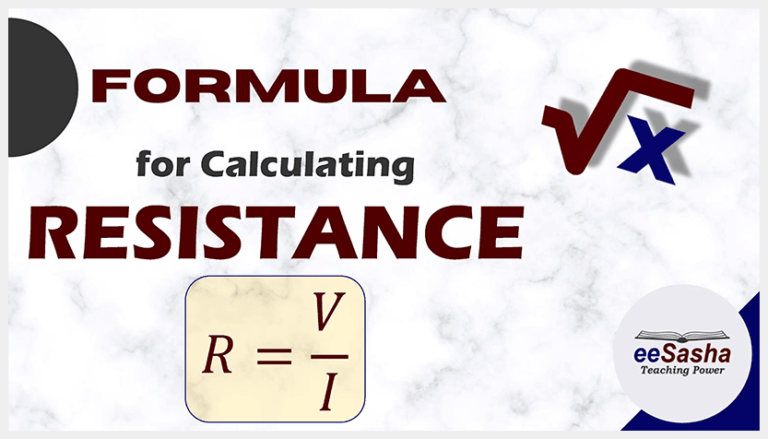
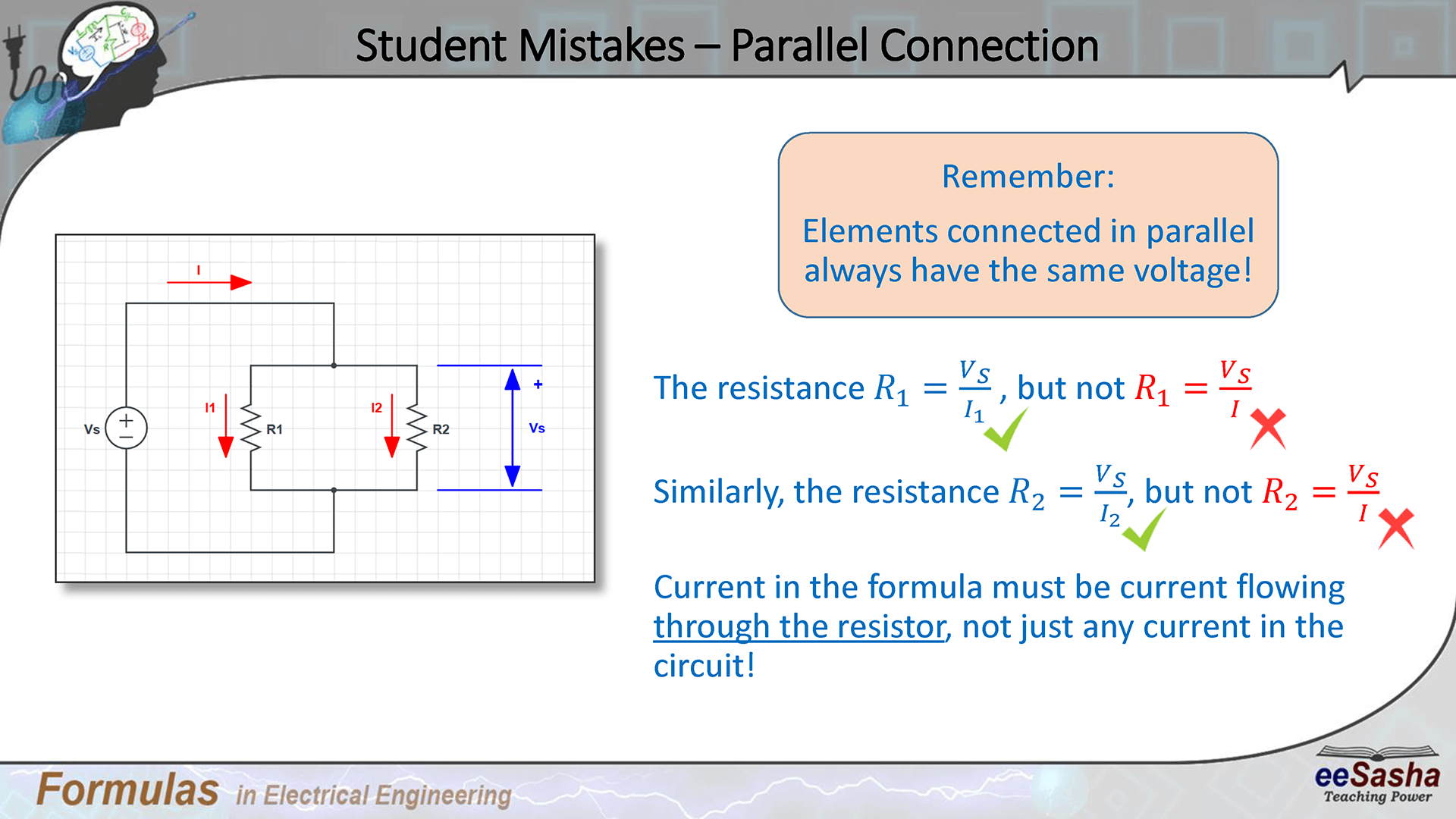
Amperage is related to the flow of electrical charge carriers, usually electrons or electron-deficient atoms. The last term, resistance, is the substance's opposition to the flow of an electric current. To calculate resistance using Ohm's law, follow the given instructions: Measure the voltage drop across the resistor using a voltmeter. Ohm's Law is a fundamental principle in electronics and physics, explaining the relationship between voltage, current, and resistance in an electrical circuit. This calculator is invaluable for students, engineers, and hobbyists who need to quickly calculate any missing variable when the other two variables are known. By using this calculator
Our watts to amps calculator uses this formula to calculate current from power in electrical circuits. Ohm's Law Wheel. We can use Ohm's Law to calculate the voltage, power, current, or resistance, given that at least two measurements are known. The formula allows us to derive the equations for calculating a quantity given two other known
Ohms Law Calculator Circuit Diagram
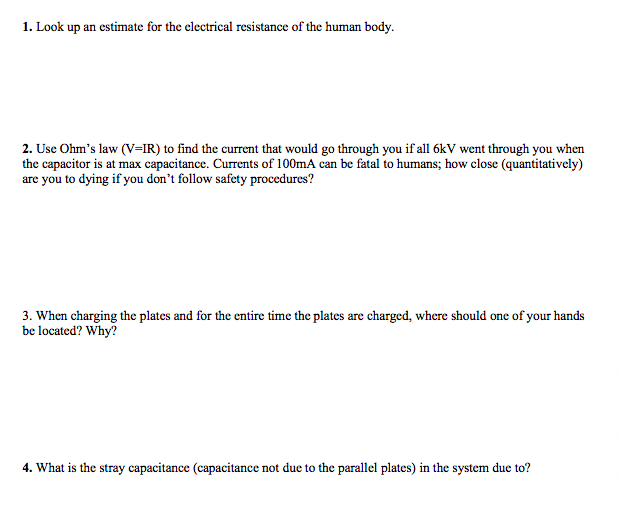
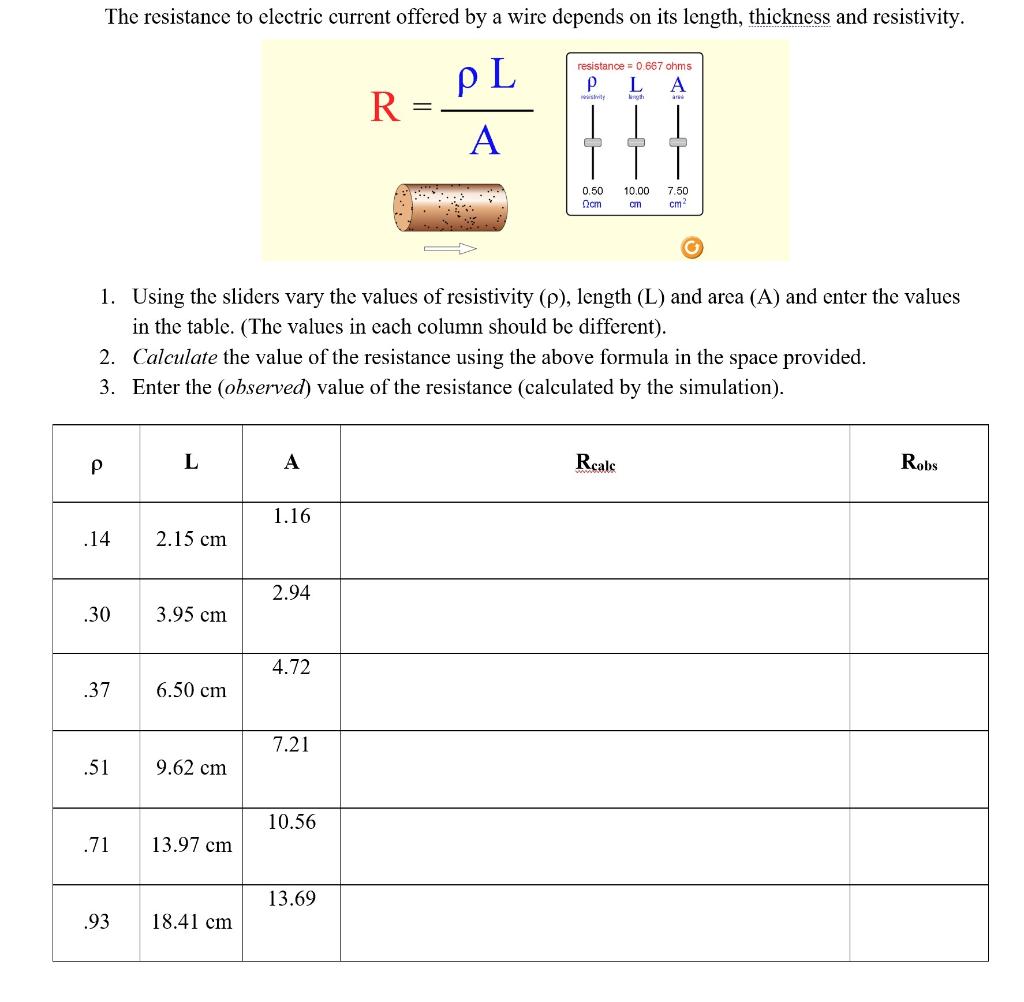
In our wire resistance calculator, we have listed some materials, which you can select to find their resistivity and conductivity at 20°C. For example, the electrical conductivity of copper is σ ≈ 5.95 × 10^7 S / m , and the electrical resistivity of copper is ρ ≈ 1.68 × 10^(-8) Ω × m . Ohm's law with examples; Voltage divider; Watts to amps; Ohm's law calculation formula. The current I in amps (A) is equal to the voltage V in volts (V) divided by the resistance R in ohms (Ω):
In an electrical circuit, resistance is the force that opposes the flow of current through the circuit or conductor. Resistance is measured in ohms (Ω). You can calculate the resistance in a circuit using Ohm's Law , which states that the current through a circuit element is directly proportional to the potential difference (or voltage Related: resistor calculator Ohm's Law. Ohm's Law states that the current through a conductor between two points is directly proportional to the voltage. This is true for many materials, over a wide range of voltages and currents, and the resistance and conductance of electronic components made from these materials remain constant.
