Adapting Local Features for Face Detection Circuit Diagram Facial expressions are fundamental to human communication, conveying a spectrum of emotions. In this article, we'll explore how to build a real-time emotion detection system using Python and OpenCV.
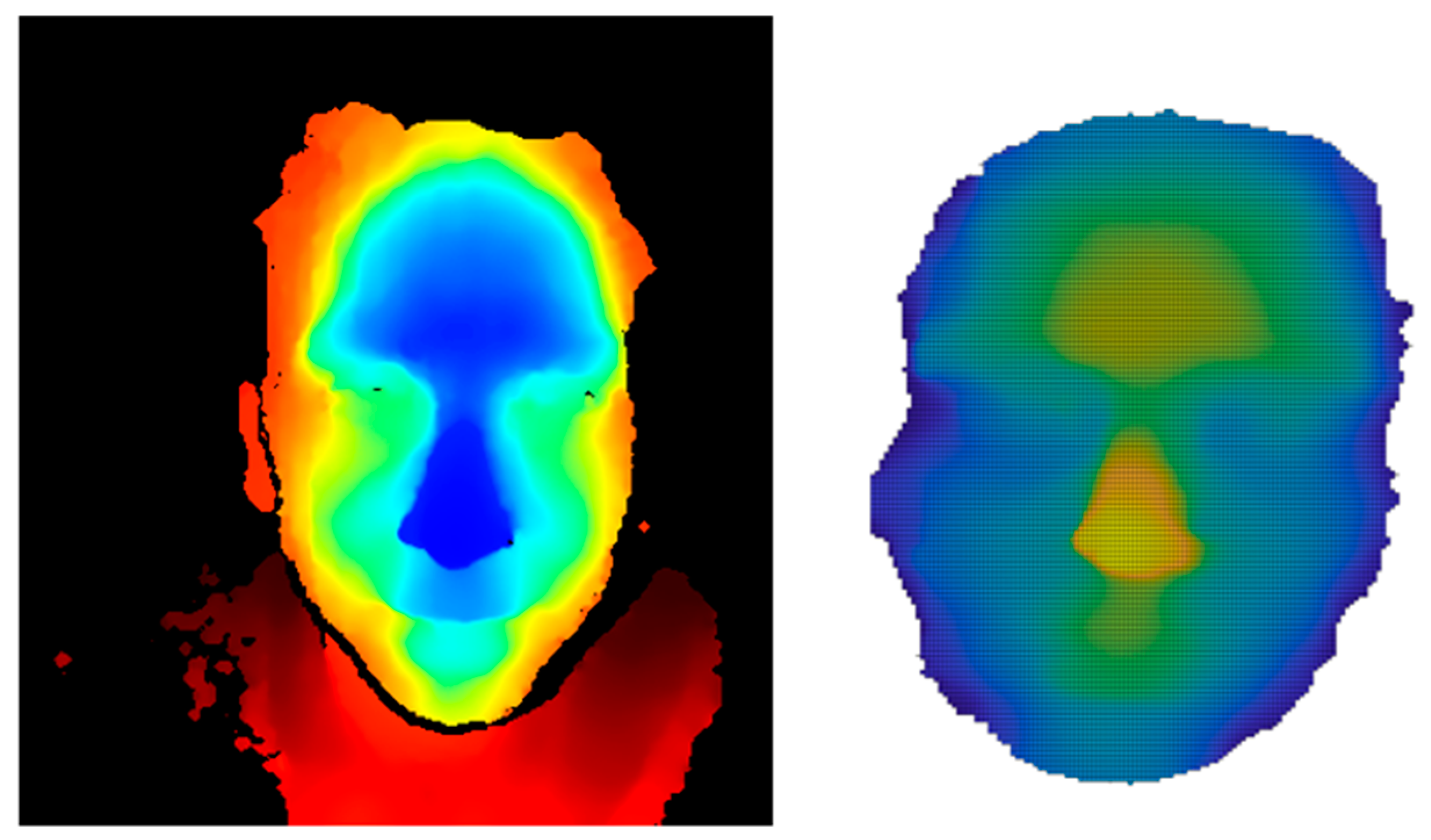
Real-Time Detection using OpenCV: The final stage of our project involves implementing real-time facial emotion recognition. Leveraging the OpenCV library, we'll connect your computer's camera to the model, enabling it to detect and display emotions in real-time. Ensure that you have Visual Studio Code (VSCode) and Python installed on your the growing availability of consumer-level realtime depth sensors, we leverage the combination of reliable depth data and RGB video and present a realtime facial capture system that maximizes uninterrupted performance capture in the wild. It is designed to handle large occlusion and smoothly varying but uncontrolled illumination changes.
PDF Unconstrained Realtime Facial Performance Capture Circuit Diagram
Note: Make sure the camera is turned on before use and the path to the model is correct. Run MS_FER_inference.py. Fast facial expression recognition (face detection using Mobilenet-SSD+KCF). Run real_time_video(old).py. Normal facial expression recognition (face detection using Haar-cascade in OpenCV). Run ysdui.py. Opening emotional monitoring

A real-time facial recognition system using AI/ML with image capture via webcam, a TensorFlow-based deep learning model using VGG16, and pipelines for face detection and identification. This project integrates computer vision and AI to dynamically analyze facial data for real-time applications. Resources

Recognition Circuit Diagram
We are going to apply a pre-trained model to recognize the facial expression of a person from a real-time video stream. The "FER2013" dataset is used to train the model with the help of a VGG-like Convolutional Neural Network (CNN). A Facial Expression Recognition System can be used in a number of applications.
